This article explores methods and techniques used by professional drain cleaning companies for effective and efficient drain cleaning. It covers the basic tools of the trade and advanced techniques. These insights provide a foundation for understanding how professional expertise benefits home maintenance.
1. What are the common tools used by drain cleaning companies?
a. Understanding Basic Plumbing Tools
Professional drain cleaning relies heavily on basic tools like wrenches, pliers, and drain augers (snakes). These tools are essential for tackling everyday drainage issues, reducing future problems, and preventing damage to plumbing infrastructure. Companies stock multiple types and sizes of these tools and maintain them regularly to ensure efficiency. Mastery of these basic tools is crucial for addressing a wide range of plumbing issues.
b. High-Tech Tools for Drain Cleaning
High-tech equipment, such as camera-based inspection tools and water jetting machines, enhances diagnostic capabilities and clears blockages more efficiently than manual methods. These technologies improve diagnostics, reduce repair time, and offer clear imaging for comprehensive drain inspections.
c. Safety Equipment and Its Importance
Safety is paramount, necessitating the use of protective eyewear, gloves, and masks. This protective gear shields technicians from harmful chemicals and contaminants. Companies enforce safety protocols, regular training, and emergency response plans, enhancing technician safety and company reputation.
2. How do professionals diagnose drain issues?
a. Inspection Techniques Utilized
Diagnosis begins with manual inspection and can include smoke testing, thermography, and dye testing. Combining traditional methods with technology, technicians enhance diagnostic accuracy. Skilled personnel are crucial in interpreting results, driving efficient drain inspection. Staying updated with the latest techniques augments problem-solving efficiency.
b. The Role of CCTV in Drain Diagnosis
CCTV technology offers a real-time view inside pipelines, pinpointing blockages without excavation. It reduces guesswork in diagnostics, offers transparent services, and requires high-quality equipment and skillful operation for optimal results. Incorporating CCTV enhances the transparency and effectiveness of the inspection process.
c. Identifying Common Drain Problems
Common problems include blockages caused by various obstructions and root infiltration. Early identification allows for targeted solutions, preventing damage. Professionals provide recommendations and regular inspections to address these issues promptly. Implementing proactive measures often significantly reduces future complications.
3. What techniques are used to clear a blocked drain?
a. Manual vs. Mechanical Methods
Manual tools like plungers and snakes address simple blockages, while mechanical methods handle severe ones using motorized augers. Professionals choose methods based on blockage severity, balancing cost and efficacy while minimizing damage risks. This tailored approach ensures both efficiency and safety in resolving blockages.
b. Using Chemical Solutions Safely
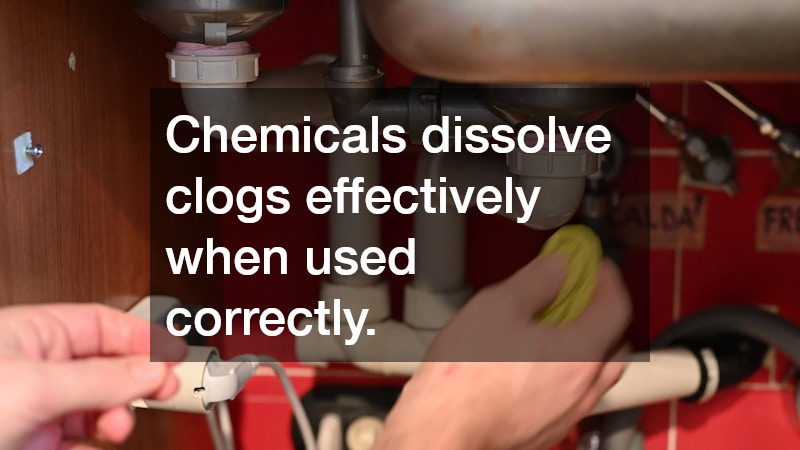
Chemicals dissolve clogs effectively when used correctly. Professionals ensure safe application and balance efficacy with environmental considerations, using eco-friendly alternatives when possible. Proper usage minimizes environmental impact and supports sustainable practices.
c. Hydro Jetting: High-Pressure Cleaning
Hydro jetting uses high-pressure water to clear stubborn blockages and clean pipe walls. It requires skilled operation and precise pressure settings to avoid damaging pipes, ensuring effective remediation and preventive maintenance. This technique is essential for maintaining clean and efficient drainage systems.
4. How do companies ensure environmental safety during drain cleaning?
a. Eco-Friendly Cleaning Solutions
Eco-friendly cleaners minimize ecological impact, offering effective results while reducing toxic exposure. They fulfill consumer demand for sustainable options and regulatory compliance. Adopting such solutions reflects a proactive stance towards environmental stewardship.
b. Managing Waste and Residues
Effective waste management involves capturing and disposing of cleaning waste responsibly. Advanced filtration and collaboration with waste experts optimize ecological outcomes and compliance. Proper waste management strategies reinforce commitment to environmental responsibility.
c. Regulatory Compliance and Standards
Compliance with regulations ensures environmental protection and business integrity, involving continuous training and engagement with governing bodies. It builds credibility and strengthens industry reputation. Adherence to standards instills confidence in both regulators and clients.
5. What are the best practices for maintaining clean drains?
a. Routine Maintenance Advice
Regular maintenance, including professional assessments, prevents issues. Simple practices like drain flushing help sustain functional plumbing, while professional plans offer advanced diagnostics. By adopting routine care, homeowners can extend the life of their drainage systems.
b. Identifying Early Warning Signs
Recognizing warning signs like slow drainage and odors allows for early intervention, preventing escalation. Educating homeowners enhances timely corrections and reduces complications. Awareness of these signals empowers residents to address issues proactively.
c. Professional vs. DIY Cleaning
Choosing professional or DIY cleaning depends on the blockage’s complexity. DIY is suitable for minor issues, while professional services address more significant problems, ensuring comprehensive solutions and future prevention.
Professional drain cleaning companies utilize diverse tools and techniques for drainage issues. Understanding these methods helps homeowners maintain drains and decide when professional help is needed, safeguarding home infrastructure smoothly. Staying informed empowers clients to make better maintenance decisions for their homes.