
Clean, dependable water supports nearly every part of daily life. Families rely on it for drinking, cooking, bathing, cleaning, laundry, and maintaining household appliances. When water quality declines, the effects may appear gradually through unusual tastes, odors, staining, mineral buildup, low pressure, or recurring plumbing problems. In some cases, contaminants may be present even when the water looks clear.
A safe household supply depends on more than the source alone. Pipes, fixtures, storage tanks, treatment equipment, drainage conditions, and maintenance habits can all affect quality. Homes connected to a municipal supply may still experience problems caused by aging plumbing or local service lines. Properties with private wells require additional monitoring because the homeowner is responsible for testing and maintaining the system.
Preventive care is the most reliable way to reduce risks. Regular testing, timely equipment service, careful chemical storage, and attention to warning signs can help homeowners identify problems before they become expensive or disruptive. The following strategies explain how to protect household water, maintain essential equipment, and create a practical long-term plan.
Test Your Water Before Problems Develop
Water testing provides the clearest picture of what is entering the home. Appearance alone is not enough to determine whether water is safe. Some contaminants have no noticeable color, smell, or taste, while harmless minerals may create obvious staining or cloudiness. Testing helps homeowners separate cosmetic concerns from issues that require immediate attention.
The recommended testing schedule depends on the water source and local conditions. Private well users should generally test more often than homeowners served by a regulated public utility. Testing may also be necessary after flooding, nearby construction, plumbing work, changes in taste, or unexplained illnesses. Households with infants, older adults, or individuals with weakened immune systems may need additional precautions.
Common tests may include bacteria, nitrates, lead, iron, manganese, hardness, acidity, and other substances associated with local soil or industry. Homeowners should use a certified laboratory when accurate results are important. Store-bought strips can offer quick information, but they may not provide the same detail or reliability.
Test results can guide the selection of water filtration equipment. A system designed for sediment will not necessarily remove dissolved chemicals, microorganisms, or heavy metals. Treatment should match the actual concern rather than relying on a one-size-fits-all product.
Water purification may involve several methods, including activated carbon, ultraviolet light, reverse osmosis, distillation, or specialized media. Each option has limits. Reviewing laboratory results with a qualified professional can help homeowners choose equipment that addresses the identified contaminants without adding unnecessary complexity.
Understand How Your Water Is Treated

Homeowners benefit from knowing where their water comes from and what happens before it reaches the faucet. Municipal systems typically collect water from surface or underground sources, treat it at a central facility, and distribute it through public lines. Private systems draw water directly from the property and usually rely on household equipment for any necessary treatment.
A typical water treatment process may include screening, settling, filtration, disinfection, and chemical adjustment. Public utilities often publish annual quality reports that identify detected substances and explain whether the supply meets regulatory standards. Reading these reports can help homeowners understand regional concerns and recognize when additional household treatment may be useful.
Private systems operate differently. The natural characteristics of groundwater can vary widely based on geology, land use, weather, and nearby contamination sources. Homeowners may need to install equipment for sediment, acidity, iron, sulfur, bacteria, or other conditions identified through testing.
Hard water is one of the most common household concerns. It contains elevated levels of calcium and magnesium, which can leave spots on dishes, create scale inside pipes, reduce soap performance, and shorten the life of heating equipment. Although hardness is not usually considered a health threat, it can create ongoing maintenance problems.
Water softeners exchange hardness minerals for sodium or potassium ions. These systems require salt, periodic cleaning, and correct settings based on water use and hardness level. Oversized or poorly adjusted equipment may waste water and salt, while neglected systems may stop performing effectively. Homeowners should monitor salt levels, check for bridging, and schedule service when water quality changes.
Maintain Equipment That Protects Water Quality
Treatment equipment works best when it is maintained according to the manufacturer’s instructions. Filters that remain in service too long can become clogged, reduce pressure, or allow contaminants to pass through. Some may even develop bacterial growth when replacement schedules are ignored.
Homeowners should create a written list of all treatment components, including prefilters, carbon cartridges, ultraviolet lamps, membrane systems, neutralizers, softeners, and specialty media. Each item should have a documented maintenance interval. Marking replacement dates on a calendar or setting digital reminders can prevent missed service.
A home water filtration company can inspect the entire system rather than looking at a single cartridge or appliance. Professional evaluations may identify incorrect sizing, improper installation, exhausted media, bypass problems, or pressure restrictions. Technicians can also compare current water conditions with the original treatment plan.
A licensed plumber should evaluate issues involving supply lines, shutoff valves, backflow devices, drains, or connections to the home’s main plumbing system. Treatment equipment must be installed in a way that preserves pressure, prevents contamination, and allows safe servicing. Professional installation also reduces the risk of leaks caused by weak fittings or incorrect pipe materials.
Maintenance records should include service dates, replacement parts, test results, and performance changes. These records make future troubleshooting easier and can help homeowners determine whether equipment is still cost-effective.
Monitor Your Private Water Supply Regularly
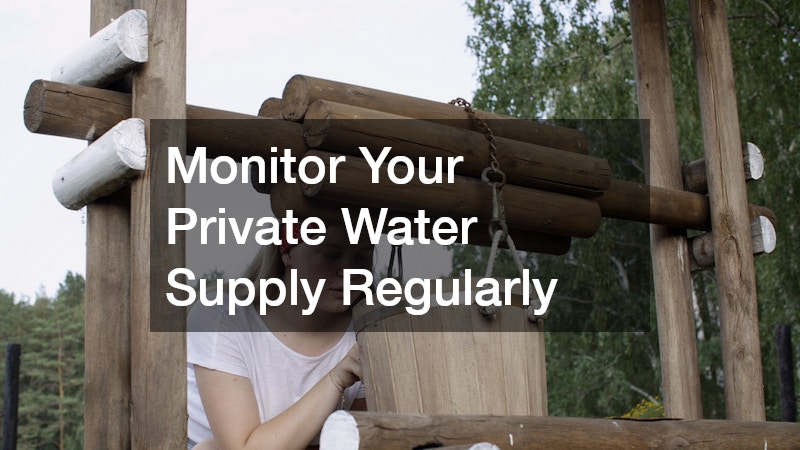
Private well owners are responsible for protecting both the source and the equipment that delivers water into the home. The area around the well should be kept clean, accessible, and free from potential contamination. Fertilizers, pesticides, fuel, animal waste, and household chemicals should be stored far away.
The well cap should remain secure and undamaged. Cracks, loose fittings, damaged screens, or openings around wiring can allow insects, debris, and surface water to enter. The ground should slope away from the casing so rainwater does not collect nearby.
A water well should never be located where runoff from septic systems, livestock areas, or chemical storage can reach it. Older properties may not meet current separation guidelines, making regular testing especially important. Flooding can introduce bacteria and sediment even when the system previously tested clean.
Homeowners should watch for changes in pressure, taste, color, odor, and clarity. Sand in fixtures, cloudy water, or air spitting from faucets may indicate pump problems, low water levels, a damaged casing, or sediment entering the system.
Professional water well service can include inspections of the cap, casing, pressure tank, electrical controls, pumping equipment, and water quality. Service may also involve disinfection, flow testing, or cleaning mineral buildup from internal components.
Keep Pumps Operating Efficiently

The pump is responsible for moving water from the source to the pressure system and household plumbing. When it begins to fail, homeowners may experience low pressure, fluctuating flow, frequent cycling, unusual sounds, or a complete loss of water.
A well pump system usually includes the pump, pressure tank, pressure switch, controls, electrical wiring, pipes, and protective devices. Each component affects the others. For example, a waterlogged pressure tank can force the pump to start and stop repeatedly, increasing wear and energy use.
Frequent cycling should be investigated quickly. Possible causes include leaks, a damaged pressure tank bladder, an incorrect pressure setting, a failing switch, or a check valve problem. Allowing the pump to continue cycling may shorten its life significantly.
Homeowners should also pay attention to unexplained increases in electricity use. A pump that runs longer than normal may be struggling against a blockage, low water level, worn internal parts, or leaking pipes. Humming, clicking, grinding, and repeated breaker trips are additional warning signs.
Pump repairs should be handled by trained professionals because the equipment combines water, electricity, pressure, and underground components. Improper work can create safety hazards or cause additional damage. A technician can test output, pressure, electrical performance, and system balance.
Routine inspections are especially important for older systems. Replacing a worn switch or correcting a pressure problem early may prevent a complete failure that leaves the household without water.
Reduce Household Sources of Water Contamination
Contamination can occur inside the home even when the original supply is clean. Cross-connections, corroded pipes, poorly maintained fixtures, and improper chemical storage may introduce unwanted substances.
Backflow happens when contaminated water moves in the wrong direction through the plumbing system. Outdoor hoses left in pools, buckets, or chemical sprayers can create risk when pressure changes. Hose bib vacuum breakers and properly installed backflow devices help prevent this problem.
Water purification equipment should be cleaned and serviced as directed. Storage tanks, faucet-mounted units, pitchers, and refrigerator filters can all collect buildup when neglected. Replacement cartridges should come from reliable manufacturers and fit the system correctly.
Household chemicals should never be poured into sinks, toilets, storm drains, or the ground. Paint, solvents, pesticides, oils, and medications may enter groundwater or create dangerous reactions in pipes. Local disposal programs provide safer options.
A licensed plumber can inspect old supply lines for corrosion, scale, or materials that may affect water quality. Older homes may contain galvanized steel, lead-containing components, or worn fixtures. Replacing damaged sections can improve both safety and pressure.
Unused plumbing should also be monitored. Water that remains stagnant in rarely used bathrooms, guest spaces, or seasonal properties may develop odors or bacterial growth. Running fixtures periodically and flushing the system after long absences can help restore fresh water.
Improve Water Quality Throughout the Home
Households often experience different water concerns at different locations. Drinking water may need treatment for taste or specific contaminants, while laundry and bathing water may be affected by hardness, iron, or sediment. Treatment should be selected based on how and where the water is used.
Point-of-use water filtration treats water at a specific fixture, such as the kitchen sink. These systems are often practical for drinking and cooking. Whole-home equipment treats water before it moves through the plumbing system, helping protect fixtures, appliances, and every faucet.
Homeowners should compare flow requirements before installing equipment. A system that is too small may reduce pressure during showers, laundry, or simultaneous use. The number of occupants, bathrooms, appliances, and peak demand should all be considered.
Water softeners can reduce scale on heating elements, shower doors, fixtures, and inside pipes. Softer water may also improve soap performance and reduce spotting. However, homeowners should understand that softening does not remove every contaminant and should not replace testing or other necessary treatment.
Create a Long-Term Maintenance Plan
A written maintenance plan makes water safety easier to manage. Instead of responding only when something goes wrong, homeowners can schedule testing, inspections, filter changes, and equipment cleaning throughout the year.
The plan should list each component, its installation date, warranty information, maintenance interval, and service provider. Annual reminders may include laboratory testing, pressure checks, tank inspections, filter replacement, and review of household water use.
The water treatment process may need to change over time. New contaminants may be identified locally, groundwater conditions may shift, or household needs may increase. Renovations, additional bathrooms, new appliances, and more occupants can all affect demand.
A home water filtration company can reassess the system when water use or quality changes. Equipment that worked well for a smaller household may no longer provide adequate flow or treatment capacity. Older units may also become less efficient or difficult to repair.
Know When Professional Help Is Necessary
Some maintenance tasks are simple, but others require specialized tools, training, and safety procedures. Homeowners should seek help when water quality changes suddenly, pressure disappears, equipment leaks heavily, electrical controls malfunction, or test results show harmful contaminants.
Water well service is important after flooding, casing damage, pump failure, or confirmed bacterial contamination. Professionals can inspect underground components, disinfect the system, and perform follow-up testing. Attempting to open or repair the well without proper knowledge may introduce contaminants or damage equipment.
Pump repairs should also be left to qualified technicians. Pumps may be located deep underground, and incorrect removal can damage pipes, wiring, or the well casing. Electrical hazards and pressurized equipment add further risk.
Homeowners should ask service providers about licensing, insurance, experience, testing methods, and written estimates. Recommendations should be based on actual system conditions rather than assumptions. A trustworthy professional should explain the problem, the proposed solution, and any maintenance required afterward.
Supporting Safer Water for Years to Come
Protecting household water requires regular attention, but the process does not need to be complicated. Testing provides clear information, routine maintenance keeps equipment working properly, and careful monitoring helps homeowners notice changes early.
The most effective approach is preventive. Replacing filters on schedule, protecting the source area, checking pressure, storing chemicals safely, and keeping service records can reduce both health concerns and expensive repairs. Homeowners should also recognize when a problem requires professional expertise rather than a temporary household fix.
A reliable supply supports comfort, health, and the overall function of the home. By creating a practical maintenance routine and responding quickly to warning signs, homeowners can protect this essential resource and enjoy greater confidence in the water they use every day.