Modern homeowners are increasingly focused on creating homes that are not only comfortable and stylish but also energy-efficient and sustainable. Today’s residential properties can benefit from thoughtful upgrades, smart design choices, and professional services that work together to reduce energy consumption, enhance functionality, and minimize long-term costs.
Whether you’re planning an outdoor renovation, adding a new living space, or upgrading key systems like heating, cooling, and water management, understanding the options available and choosing the right experts is essential. By combining strategic design with modern technology, homeowners can significantly improve efficiency and make their homes more enjoyable year-round.
In this article, we explore practical strategies for maximizing home efficiency, starting with outdoor and structural improvements and then moving into the systems that power your home.
1. How Can Hardscaping Improve My Home’s Energy Efficiency?
1.1 Understanding Hardscaping
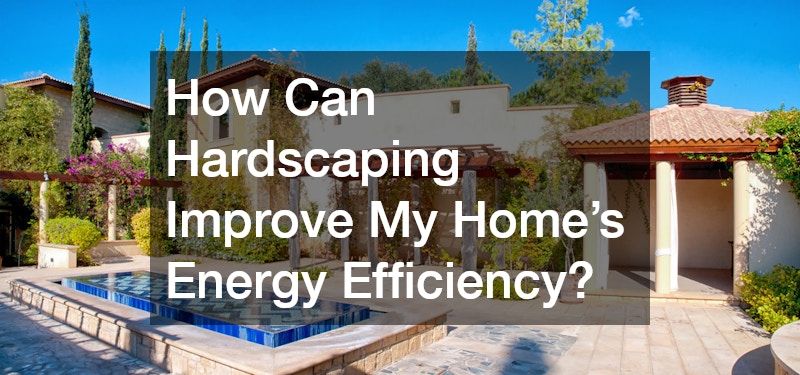
Hardscaping refers to the non-living, structural elements of your landscape, such as patios, retaining walls, walkways, driveways, and stone features. While often seen as purely decorative, hardscaping plays a crucial role in functionality and energy efficiency. A well-planned hardscape can help control drainage, reduce soil erosion, and create temperature-regulating surfaces that benefit your home environment.
1.2 Energy Benefits of Hardscape Design
Properly designed hardscaping can improve your home’s energy profile in several ways:
- Temperature Regulation: Stone patios or brick walkways absorb heat during the day and release it slowly at night, moderating microclimates near your home.
- Windbreaks: Retaining walls and terraces can reduce wind impact on your home, minimizing heat loss in winter.
- Shading: Strategically placed hardscape features can create shaded areas, helping reduce cooling costs in the warmer months.
- Reduced Lawn Maintenance: Replacing high-maintenance turf areas with hardscape features reduces the energy needed for mowing, watering, and fertilization.
1.3 Choosing Local Hardscape Design
Hiring a local hardscape design professional provides key advantages:
- Knowledge of local climate conditions and materials that withstand seasonal changes.
- Ability to customize designs that complement your property’s unique features and terrain.
- Access to local suppliers and contractors, which can reduce costs and improve project timelines.
Local designers often incorporate energy-saving features into their plans, such as permeable paving to reduce water runoff or stone pathways positioned to reflect sunlight away from living spaces.
1.4 Maintenance and Longevity
Although hardscaping is generally low-maintenance, longevity depends on proper installation and upkeep:
- Seal stone and concrete surfaces to protect against cracking and water damage.
- Clean pathways and patios regularly to prevent moss or algae buildup.
- Inspect retaining walls for erosion or shifting soil that could affect structural integrity.
Well-maintained hardscaping reduces repair costs, minimizes waste, and indirectly contributes to energy efficiency by lowering the resources needed for replacement or frequent upkeep.
2. What Should I Consider When Hiring a Screened-In Porch Contractor?
2.1 Benefits of a Screened-In Porch
A screened-in porch creates a versatile outdoor living space that protects from insects, weather, and excessive sun while maintaining airflow. Beyond comfort, screened porches can enhance home efficiency by:
- Providing shaded areas that reduce direct sunlight into adjacent rooms.
- Allowing natural ventilation, which reduces the need for cooling inside the home.
- Extending living space without requiring full air conditioning or heating of additional enclosed rooms.
2.2 Choosing the Right Contractor
When hiring a screened in porch contractor, consider:
- Licensing and Experience: Ensure the contractor is licensed and has completed similar projects.
- Portfolio: Review past work to assess quality, style, and attention to detail.
- Customer References: Speaking with previous clients can provide insight into reliability, professionalism, and project management.
Quality workmanship ensures your porch is durable, safe, and energy-efficient. Poor construction can result in drafts, leaks, or premature material wear.
2.3 Cost vs. Value
Screened-in porches vary widely in cost depending on size, materials, and complexity. While it may be tempting to choose the lowest bid, consider:
- Long-term durability and maintenance needs.
- Energy efficiency features, such as insulated flooring, retractable screens, or reflective roofing materials.
- Added home value and potential appeal to future buyers.
2.4 Enhancing Porch Efficiency
Additional strategies to improve porch efficiency include:
- Using energy-efficient lighting, such as LEDs or solar-powered fixtures.
- Installing ceiling fans to circulate air and reduce the need for AC.
- Selecting materials that provide natural insulation and resist weathering.
3. Are Pool Deck Companies Worth the Investment?
3.1 The Role of Pool Decks
Pool decks serve both practical and aesthetic purposes. Beyond providing a safe walking area, they can:
- Reduce the risk of slips and falls with textured, slip-resistant surfaces.
- Protect landscaping and soil around your pool from erosion and water damage.
- Enhance overall backyard usability, creating space for lounging, dining, and social gatherings.
3.2 Evaluating Pool Deck Companies
When considering pool deck companies, focus on:
- Experience: Choose companies that specialize in pool-adjacent installations and understand how decks interact with water systems.
- Materials and Techniques: Quality materials and construction methods prevent cracking, discoloration, and warping.
- Design Consultation: Companies that offer personalized designs can integrate safety, aesthetics, and energy-conscious features.
3.3 Design Considerations
Key design elements include:
- Slip Resistance: Use materials that provide traction even when wet.
- UV Resistance: Choose materials that resist sun damage and fading.
- Drainage: Proper slope and drainage prevent water pooling and reduce long-term maintenance.
- Comfort: Consider temperature-regulating surfaces to keep walking areas cool in summer.
3.4 Integrating with In Ground Pools
A pool deck must complement your in ground pool in terms of layout, safety, and aesthetics:
- Ensure smooth transitions between deck and pool edges.
- Use complementary colors and textures for a cohesive look.
- Plan for energy efficiency by selecting materials that reflect heat away from the pool and surrounding areas.
4. How Do In Ground Pools Affect Home Utilities?
4.1 Initial Efficiency Impact
Installing an in ground pool can temporarily increase water and energy use due to:
- Pump operation to circulate water.
- Heaters to maintain desired temperatures.
- Additional lighting and filtration systems.
However, these impacts can be mitigated with energy-efficient equipment and thoughtful planning.
4.2 Long-term Maintenance Considerations
Maintaining an in-ground pool efficiently includes:
- Regularly cleaning filters and pool surfaces.
- Monitoring water chemistry to prevent overuse of chemicals.
- Checking for leaks or inefficient pumps that may increase energy consumption.
Routine care ensures the pool remains both cost-effective and environmentally responsible.
4.3 Energy-efficient Pool Design
Modern pools offer features that reduce long-term utility demands:
- Variable-speed pumps: Use less energy than traditional single-speed pumps.
- Solar heating systems: Harness renewable energy to warm water.
- LED lighting: Consumes significantly less electricity than traditional pool lights.
4.4 Choosing Eco-friendly Pool Features
Consider these sustainable options:
- Automated covers to minimize water evaporation and heat loss.
- Efficient filtration systems that reduce water and energy consumption.
- Permeable paving around the pool to manage rainwater naturally.
Eco-friendly features not only save money but also reduce your home’s overall environmental impact while maintaining comfort and style.
5. What Should I Know About Hiring Residential Electricians?
5.1 Key Services Offered
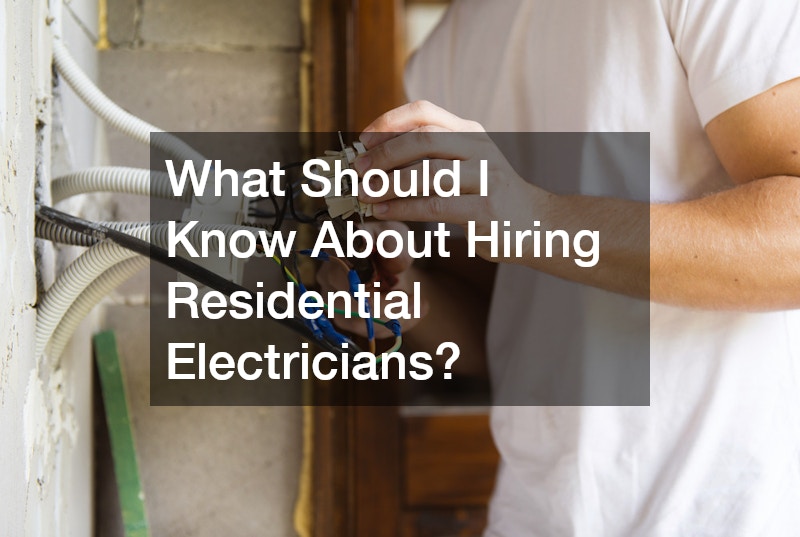
Residential electricians play a critical role in ensuring your home operates efficiently and safely. Their services include:
- Installing new wiring, outlets, and panels.
- Upgrading electrical systems to meet modern energy demands.
- Installing energy-efficient lighting and smart home devices.
- Troubleshooting electrical issues to prevent hazards and reduce energy waste.
By handling these tasks, electricians ensure that your home’s electrical systems are optimized for performance and efficiency.
5.2 Ensuring Quality and Safety
Quality is paramount when it comes to electrical work. Consider the following:
- Licensing and Insurance: Verify that the electrician meets local regulatory standards.
- Safety Standards: Proper installation reduces the risk of fire, overloads, and short circuits.
- Warranty and Support: Reliable electricians provide warranties on labor and materials, ensuring peace of mind.
5.3 Evaluating Expertise
Experienced electricians offer more than basic installation—they can:
- Recommend energy-saving upgrades, like programmable thermostats or motion-sensor lighting.
- Optimize circuit layouts to reduce power loss.
- Integrate renewable energy systems like solar panels efficiently.
5.4 Latest Trends in Electrical Work
Innovations in residential electrical systems are designed to enhance efficiency and convenience:
- Smart home integration for lighting, heating, and appliances.
- Solar-ready electrical systems that allow seamless renewable energy adoption.
- Advanced monitoring systems that track energy usage and help homeowners make informed decisions.
6. When Is a House Generator Necessary?
6.1 Types of House Generators
A house generator provides backup power during outages, protecting essential systems such as:
- Heating, ventilation, and air conditioning.
- Refrigerators and freezers.
- Security systems and lighting.
- Medical devices and electronics.
Generators come in various types:
- Portable Generators: Ideal for temporary, short-term power needs.
- Standby Generators: Permanently installed, automatic systems that power the home during outages.
6.2 Sizing and Installation
Proper sizing ensures the generator meets your home’s energy needs without overloading. Factors to consider:
- Total wattage of critical appliances and systems.
- Potential future additions, such as pools or HVAC upgrades.
- Professional installation for safety and code compliance.
6.3 Routine Maintenance
To ensure reliability, generators require regular care:
- Checking oil and fuel levels.
- Testing under load conditions.
- Inspecting connections and components for wear or corrosion.
Routine maintenance prolongs lifespan and ensures energy-efficient operation during emergencies.
6.4 Benefits and Cost
Investing in a house generator provides:
- Peace of mind during power outages.
- Protection of sensitive appliances and electronics.
- Reduced risk of food spoilage and property damage.
- Long-term savings by avoiding emergency repair costs.
While initial costs may seem high, the resilience and efficiency benefits make generators a wise investment for many homeowners.
7. What Are the Advantages of a Tankless Water Heater?
7.1 Energy Efficiency of Tankless Systems
Tankless water heaters deliver hot water on demand, eliminating standby energy losses common in traditional storage tanks. Key benefits include:
- Reduced energy consumption, leading to lower utility bills.
- Continuous hot water supply without the need for large storage tanks.
- Compact design that frees up space in utility rooms.
7.2 Installation and Cost
While installation requires professional assessment, tankless systems:
- Have a longer lifespan than traditional water heaters.
- Require less maintenance over time.
- Can be installed in multiple locations to provide hot water close to usage points.
7.3 Comparing Tankless vs. Traditional Heaters
Key differences include:
- Energy Usage: Tankless units heat water only when needed, whereas traditional tanks keep water hot continuously.
- Space Efficiency: Tankless units are wall-mounted and compact, saving valuable space.
- Longevity: Tankless water heaters typically last 20+ years, versus 10–15 years for tank-based systems.
7.4 Understanding Payback Period
Depending on household size and water usage patterns, a tankless water heater may pay for itself in 5–10 years through energy savings. The reduction in maintenance and energy waste enhances long-term efficiency.
8. How Can HV AC Companies Enhance Home Efficiency?
8.1 Services Provided by AC Companies
Professional AC companies ensure your home’s heating, ventilation, and cooling systems operate efficiently by providing:
- Installation of energy-efficient HVAC units.
- Routine maintenance, including filter replacement and coil cleaning.
- System diagnostics to identify energy loss or inefficiencies.
- Upgrades to modern, smart HVAC technology.
8.2 Optimal Cooling and Heating Solutions
Effective HVAC solutions help maintain comfort while minimizing energy use:
- Zoned heating and cooling to target occupied areas.
- Programmable thermostats to reduce unnecessary usage.
- Duct sealing to prevent air leaks and wasted energy.
8.3 Innovative Technologies in HVAC
Modern HVAC technologies improve efficiency:
- Inverter compressors that adjust energy usage based on demand.
- Air purification systems that improve indoor air quality while reducing strain on HVAC units.
- Smart home integration for real-time monitoring and automated adjustments.
8.4 Selecting the Right Service Provider
When choosing an AC company, consider:
- Licenses, certifications, and experience.
- Customer reviews and references.
- Maintenance plans that extend system life and efficiency.
Regular service from a reputable provider ensures optimal performance and long-term cost savings.
9. Why Are Local Pest Control Companies Essential for Home Management?
9.1 Common Home Pests and Risks
Pests such as termites, ants, rodents, and mosquitoes can cause:
- Structural damage to wood and insulation.
- Electrical hazards from chewing wires.
- Health risks through bites, allergens, or disease.
9.2 Benefits of Professional Pest Control
Local pest control companies offer targeted treatments that:
- Prevent costly property damage.
- Reduce health risks for occupants.
- Maintain home efficiency by protecting critical infrastructure.
9.3 Integrated Pest Management Strategies
Effective pest control often combines:
- Monitoring and early detection.
- Environment modifications to reduce habitats.
- Minimal chemical use for sustainable results.
9.4 Environmental Impact Considerations
Reputable local companies balance effectiveness with eco-conscious practices, such as:
- Using safe, targeted treatments.
- Reducing chemical runoff that can harm soil or water.
- Preserving beneficial insects in your yard and garden.
10. How to Integrate Eco-Friendly Solutions in Home Projects?
10.1 Sustainable Building Materials
Using eco-friendly materials improves energy efficiency and reduces environmental impact:
- Recycled stone, concrete, and wood for hardscaping projects.
- Low-VOC paints and finishes for healthier indoor air.
- Locally sourced materials to reduce transportation emissions.
10.2 Energy-efficient Design Practices
Incorporate design practices that enhance efficiency:
- Orient buildings and outdoor spaces for optimal natural light.
- Incorporate passive solar heating and natural ventilation.
- Use insulation and reflective materials to reduce heating and cooling loads.
10.3 Renewable Energy Sources
Consider renewable options for long-term energy savings:
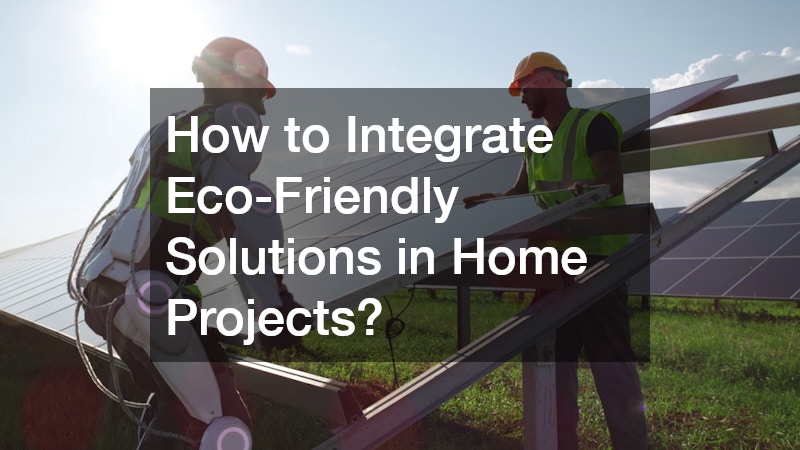
- Solar panels for electricity and water heating.
- Geothermal systems for heating and cooling.
- Battery storage to reduce reliance on the grid during peak hours.
10.4 Long-term Impact and Benefits
Integrating eco-friendly solutions results in:
- Lower energy bills and reduced carbon footprint.
- Increased property value and market appeal.
- A safer, healthier living environment for your family.
Maximizing home efficiency requires a combination of strategic design, modern technology, and professional expertise. Thoughtful improvements to both indoor and outdoor spaces can significantly enhance comfort, reduce energy consumption, and minimize long-term costs.
Planning carefully, choosing qualified experts, and embracing modern efficiency strategies allows homeowners to create spaces that are functional, resilient, and enjoyable. By integrating sustainable practices and smart upgrades, your home can become more comfortable, environmentally responsible, and prepared to meet both present and future needs.